




Green Energy
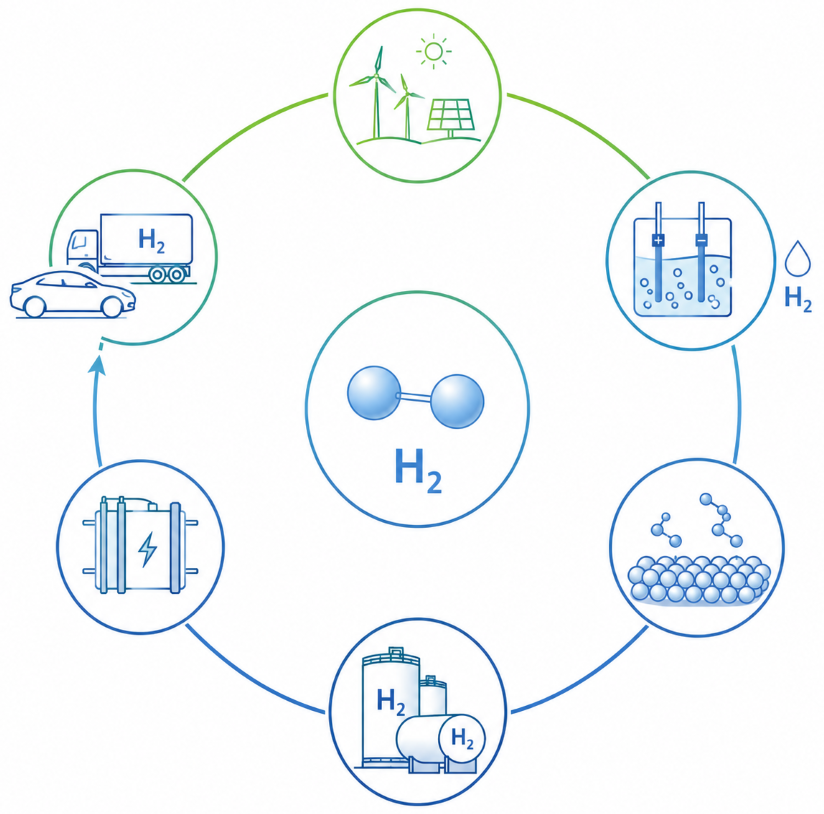
We advance research and innovation in clean and sustainable energy technologies that support the global transition toward a resilient, climate-neutral and low-carbon economy. Our activities span the full green energy value chain, from advanced materials and hydrogen technologies to integrated energy systems and high-TRL energy processes. Hydrogen is recognized as a key energy vector for the future, enabling large-scale energy storage, sector coupling, renewable energy integration and deep decarbonization of energy-intensive sectors. Through interdisciplinary research and international collaborations, Division III develops innovative solutions that contribute to energy security, sustainability, and technological competitiveness.
Nanoporous Adsorbent Materials for Hydrogen Storage
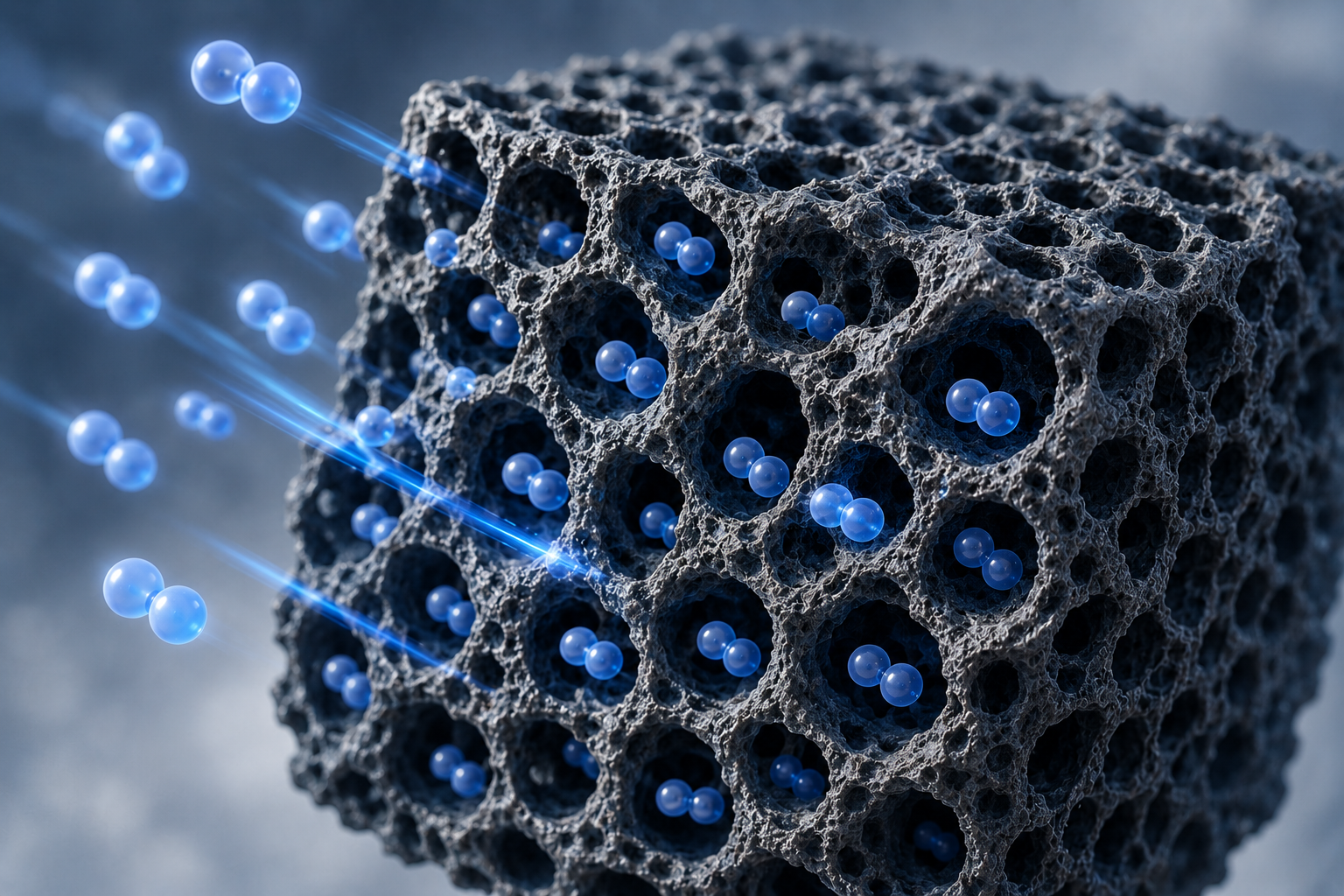
We develop advanced nanoporous and nanostructured materials for efficient hydrogen storage through physical and chemical adsorption mechanisms. Our research focuses on activated carbons, graphene-based materials, porous nanocomposites and functionalized adsorbents with tailored pore structures and surface chemistry for enhanced hydrogen uptake. Using advanced gas sorption analysis, adsorption thermodynamics, and multiscale modeling, we investigate hydrogen storage under cryogenic and near-ambient conditions, aiming to improve storage capacity, reversibility, kinetics and system integration. These materials are designed to support safe, compact and energy-efficient hydrogen storage solutions for future clean-energy applications.
Green Hydrogen Production via Water Electrolysis
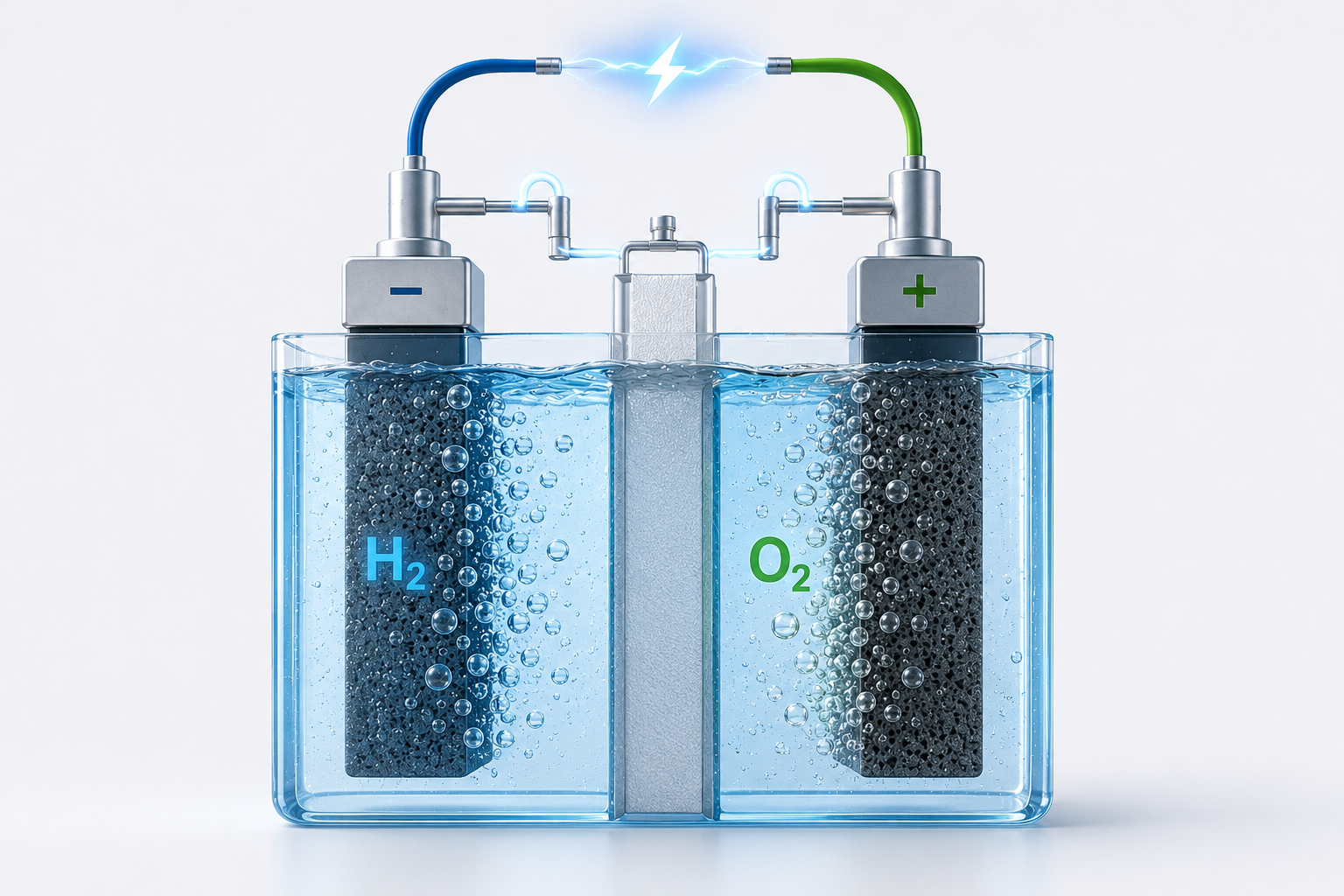
We develop technologies for sustainable hydrogen production through water electrolysis powered by renewable energy sources. Our activities include materials development, catalyst engineering, electrode design and optimization of electrochemical systems for efficient hydrogen evolution. Research focuses on advanced electrolyzer technologies, including alkaline, PEM and emerging electrolysis systems, with emphasis on efficiency, durability, scalability and integration with renewable energy infrastructures. Through these efforts, we aim to contribute to the deployment of clean hydrogen technologies that support the decarbonization of energy and industrial sectors.
Catalytic Methane Decomposition for Hydrogen and Solid Carbon Production
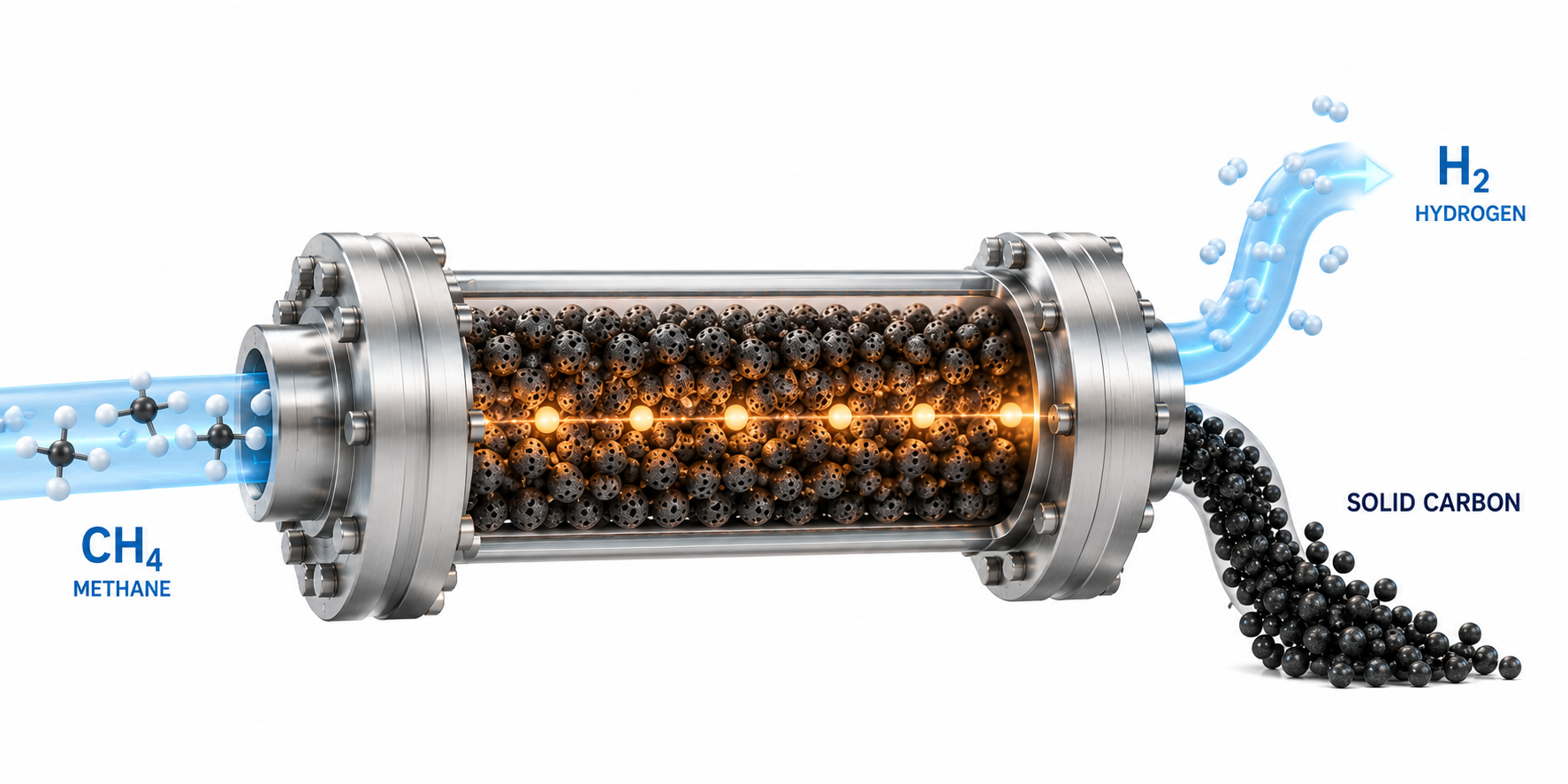
We investigate catalytic methane decomposition as an alternative low-CO2 pathway for hydrogen production, simultaneously generating valuable solid carbon materials. This process enables hydrogen generation without direct carbon dioxide emissions, while producing advanced carbon nanostructures with potential industrial applications. Our research includes catalyst synthesis and optimization, reaction engineering, carbon nanomaterial formation mechanisms and process integration. Particular emphasis is placed on catalyst durability, carbon morphology control and the development of sustainable processes for turquoise hydrogen production and carbon valorization.
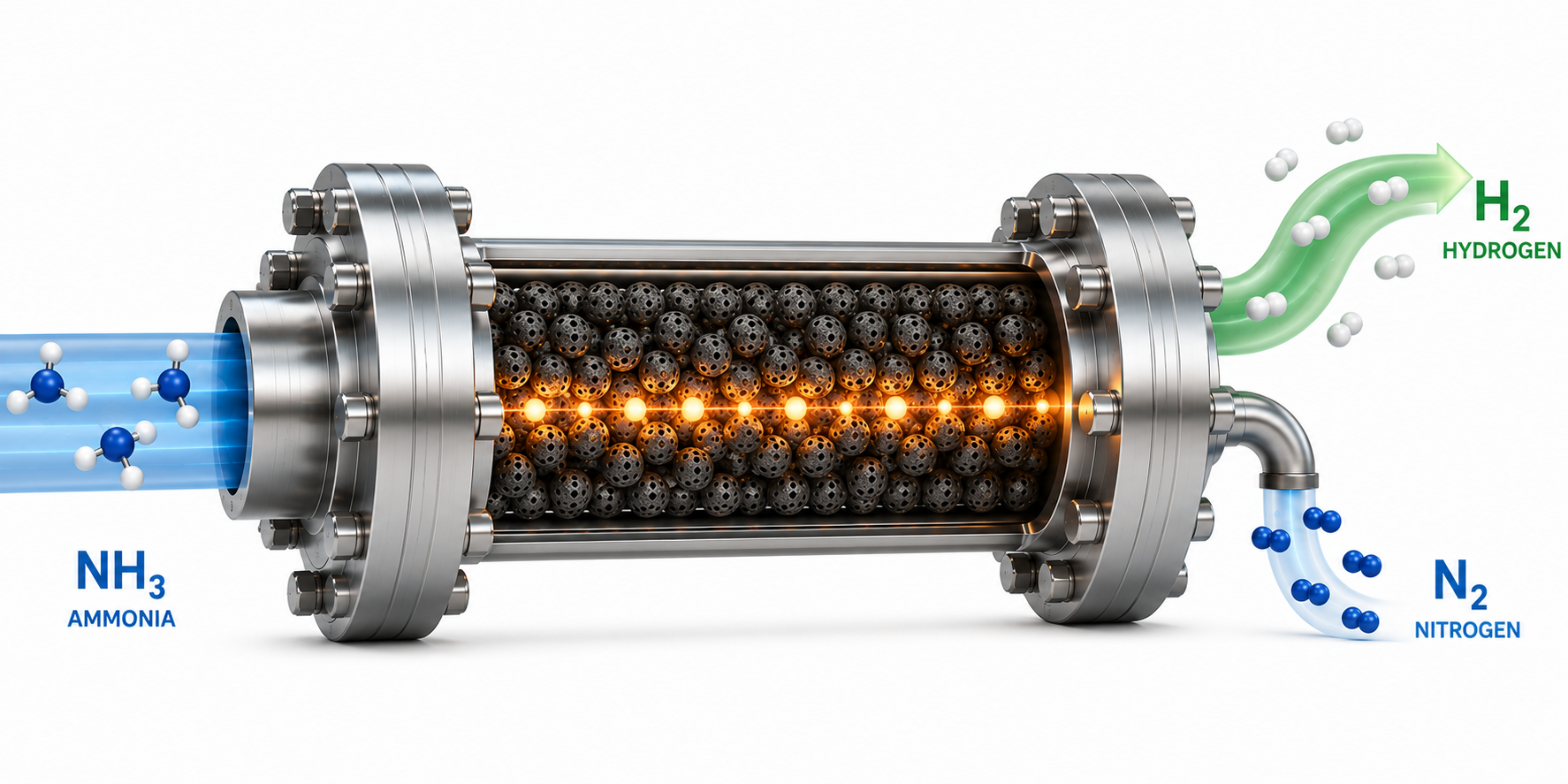
Catalytic Ammonia Cracking for Hydrogen Production
Ammonia is increasingly recognized as a carbon-free hydrogen carrier with high volumetric hydrogen density and established transportation infrastructure. Our research focuses on catalytic ammonia decomposition technologies for on-demand hydrogen generation with minimal emissions. We develop and optimize advanced catalysts and catalytic reactors for efficient ammonia cracking, investigating reaction mechanisms, catalyst stability, hydrogen selectivity and process intensification. The goal is to enable decentralized and scalable hydrogen production systems that can support fuel cells, energy storage and hydrogen mobility applications.